
Your Pre-Departure Pack: Everything You Need Before You Go
Thailand Teaching Placement
Gain real classroom experience, earn while you travel, and live like a local.








Visa
UK Citizens
Please make sure you have read the entry requirements for Thailand on the Gov UK website:
Important
You must complete a Digital Arrival Card online. This can only be completed within 3 days before you are due to arrive.

DBS
Before arriving in Thailand, you will need to have completed an Enhanced DBS Check. This is a requirement for all of our programmes. You can book your Enhanced DBS via your Portal.
Once you have paid, the team will be in touch in around 1-3 working days with all the next steps information. You will need to submit some documents in order to get this processed so when you receive the email please respond promptly. Once processed, you’ll receive a hard copy of your DBS in the post. Please upload a clear picture of this to your portal.
Please note that a DBS check can take up to 12 weeks to process so we advise getting this submitted as soon as you have secured your place.

Flights
Arrival
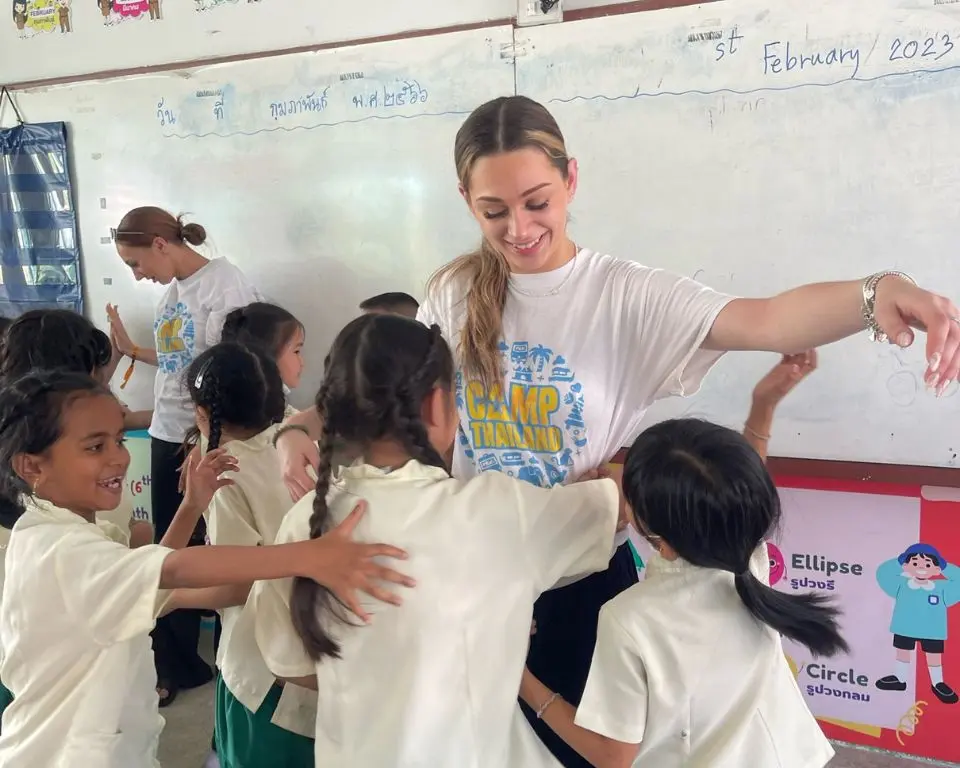
Your journey starts in Bangkok. Fly into Suvarnabhumi Airport (BKK), where you’ll meet your group and begin your in-country orientation. From here, everything is organised. You’ll settle in, get to know the others on your programme, and prepare for your placement before heading to your assigned school.
Departure
Your placement will finish at your assigned location in Thailand. From here, you’ll make your onward journey - whether that’s heading home or continuing your travels. By the time you leave, you won’t just have explored Thailand - you’ll have lived there.
Important
Please note all flight information must be uploaded at least 8 weeks before your arrival or you will not receive airport pickup.

Insurance
You must have travel insurance to join a FurtherTravel trip. You can request a quote with our insurance partner here. Please upload a photo/screenshot of your insurance confirmation (showing name, dates, policy number etc.) to your Portal.

Emergency numbers
In-Country Emergency Numbers
Police: 191
Ambulance: 1554
Fire: 199
Tourist Police: 1155
Int Dialling Code: +66
In case of emergency
In case of emergency, please contact your local guide (number in Whatsapp group chat).
In the unlikely event that you encounter any issues with or any aspect of your tour, (like accomodation or activities etc) please reach out to your local guide first. If your local guide is unable to resolve your issue to your satisfaction, please contact our in-country manager who will be happy to assist you further.
Linda: +855 92 916 296
UK Office
For assistance from another team member, feel free to reach out to our UK office (Monday to Friday, 10am–6pm): +44 (0)161 222 3780

Itinerary
From day to night, your itinerary’s packed with unforgettable moments. Here’s the lowdown.

Accommodation
More Information

Dress Code
Whilst out and about at the beach, relaxing in your free time, or taking part in most activities, you are welcome to wear swimsuits, flip flops, sandals, and your usual summer clothing such as skirts, dresses, and shorter shorts. The climate can be very warm, so lightweight and comfortable clothing is recommended. If you'd like any fashion advice or you're unsure what to pack, the Team will be happy to help.
However, if visiting schools, temples, or other community sites, it is important to dress respectfully in line with local customs and expectations. For these visits:
- Long hair should be tied back (this is especially important when visiting schools).
- Trousers or shorts should be sturdy and non-see-through, with shorts extending past the knee.
- Shoulders and knees should be covered.
- Closed-toe shoes should be worn for safety and practicality.

Culture
Your local guide will advise you on this throughout the programme, but you will be asked to change if you are wearing any items that would be considered offensive under Thai culture. If you are out at clubs or bars in the evening the dress code is more relaxed. You will be experiencing some temples and more rural areas in Thailand where the local people and monks aren’t used to seeing more revealing items of clothing.
Although being covered up sometimes might not always be ideal in the heat or make sense to you at the time, it is their culture and we must respect it. Please remember, you are coming to a different continent with its own unique culture. Thai people are very laid back, friendly and welcoming, we want to make sure we respect these wonderful people.
Occasionally some applicants experience culture shock when they arrive. We recommend trying to come with an open mind and to just go with the flow. Sometimes the wifi might be slow, a journey may be long and hot, the hot water might stop. Just remember, you are not in a western country, things won’t be the same and it’s not the end of the world. You are here to have fun. You get out what you put in, so make the most of it, have as much fun as possible and don’t get wound up by any small issues that may arise.
Packing List
• Decent footwear; a pair suitable for sports & activities, a pair suitable for going out (You won’t need heels trust us!)
• Suitable/respectable clothing (see Dress Code)
• One pair of strong, sturdy trousers
• Light rain jacket, poncho or small umbrella
• One warm jumper or fleece (air conditioned buses can be cold)
• Lightweight Towel
• Sun hat and sunscreen
• Sunglasses
• Light & comfy wear for activities on hot days
• Insect/Mosquito repellent & antihistamines
• Small medical kit, including rehydration sachets
• Extension cord (if you want to charge multiple appliances at once)
• Reusable water bottle (A thermal bottle to keep your water cool is best)
• Scanned & printed copy of your passport (in case you lose it)
• A printed copy of your insurance details with details of your insurance policy number and Insurer phone number
• Small Padlock
• Camera
• An unlocked phone, should you want to get a local Sim
• Small bag, for full day excursions
• Earplugs for sleeping if needed
• Portable Speaker
• Deck of Cards or Games
• Travel adaptor; flat 2 in plug

Sustainable Travel Guide
Protecting Wildlife
- Be a responsible photographer by avoiding handling animals, especially starfish (This can cause them to die as soon as you take them out of the water!)
- Choose ethical experiences by avoiding animal exploitation, such as elephant rides or tiger selfies.
- Use reef-safe sunscreen without harmful chemicals like oxybenzone and octinoxate.
- Be mindful of food choices by avoiding endangered species and supporting sustainable seafood.
- Buy ethical souvenirs by avoiding items made from animals, like ivory or coral.
Repect and Preserve Local Culture
- Dress modestly and follow local customs, especially at religious sites.
- Respect dining etiquette by learning local food customs.
- Be mindful of body language to avoid unintentional offense.
- Behave respectfully at cultural and sacred sites.
- Minimize impact at heritage sites by visiting off-peak, following guidelines, and not touching artifacts.
- Learn key phrases like "hello" and "thank you" to connect with locals.
Supporting the Local People
- Support local businesses that hire local staff to keep money in the community.
- Bargain respectfully, understanding the value of small amounts to locals.
- Eat locally by dining at restaurants using local ingredients or shopping at markets.
- Buy local handicrafts to support artisans and preserve cultural heritage.
- Stay informed about human welfare issues to make ethical travel choices.
Conserving Natural Environments
- Leave no trace by staying on trails and avoiding environmental damage.
- Conserve resources by supporting eco-friendly businesses and reducing water and energy use.
- Follow regulations to protect the environment, wildlife, and local communities.
- Research sustainability issues in your destination.
- Dispose of waste properly and join cleanup efforts.
- Avoid disposable plastics by using reusable bottles and bags.
Tips and Tricks
- You can’t flush toilet paper in Thailand, make sure to put it in the bin.
- You can’t drink the tap water, bottled water only please!
- You can bargain with most market sellers, be sure to be polite and don’t go too low as to offend the seller.
- Try the local food, Pad Thai, Pad Gra Pow and the Yellow or Green Curries are our favourite.
- Street food is generally very safe to eat, cheap and delicious. Be curious and try it all!
- The local beers are Chang & Leo, a large will cost £2.20 in most restaurants. Cocktails are around £4-6, or supersize and get a bucket!

FAQs
What kinds of extra activities are available on this tour? *
Scuba diving
Kayak renting
Water sports (Jetski hire, banana boats,
parasailing, etc)
Massages & Spa treatments
*All additional activities come at an additional cost
How much money should I bring?
For any tour we recommend around £250-£300 per week to cover you for food, drinks and any extra activities you’d like to do.
Extra activities can typically range anywhere from £5-£80. If you’re good at budgeting you can definitely go cheaper than this!
How do I speak to the group before departure?
We’ll add you into a whatsapp group around 3 weeks before your departure so you can start chatting and getting to know everyone you’ll be traveling with.
Is there Wifi?
Every hotel and hostel will have WIFI as well as most restaurants and cafes. We do recommend having a local SIM card too to ensure you can contact the group anytime throughout the tour.
What type of bag should I bring?
Either a large backpack or suitcase is great but we usually find backpacks are a bit easier to carry around especially onto ferries and transport. We would recommend trying to stay under 20kg if you can.
Should I bring Cash or Card?
Cash is king in Thailand so we recommend trying to get some before you arrive. That being said, keep most of it on a card with good international rates like Starling, Monzo or Wise so you can withdraw cash and pay on card where you can with. There are ATMs everywhere in Thailand so you’ll always be able to get cash when you need.
Can I wash my clothes?
For about £1.50 per kilo, local laundry services will wash your clothes early morning and return them washed and neatly pressed the following afternoon.